Five questions to answer before you commission custom software
Custom software can transform how a team works, or quietly drain a budget. These questions make the difference before anyone writes code.
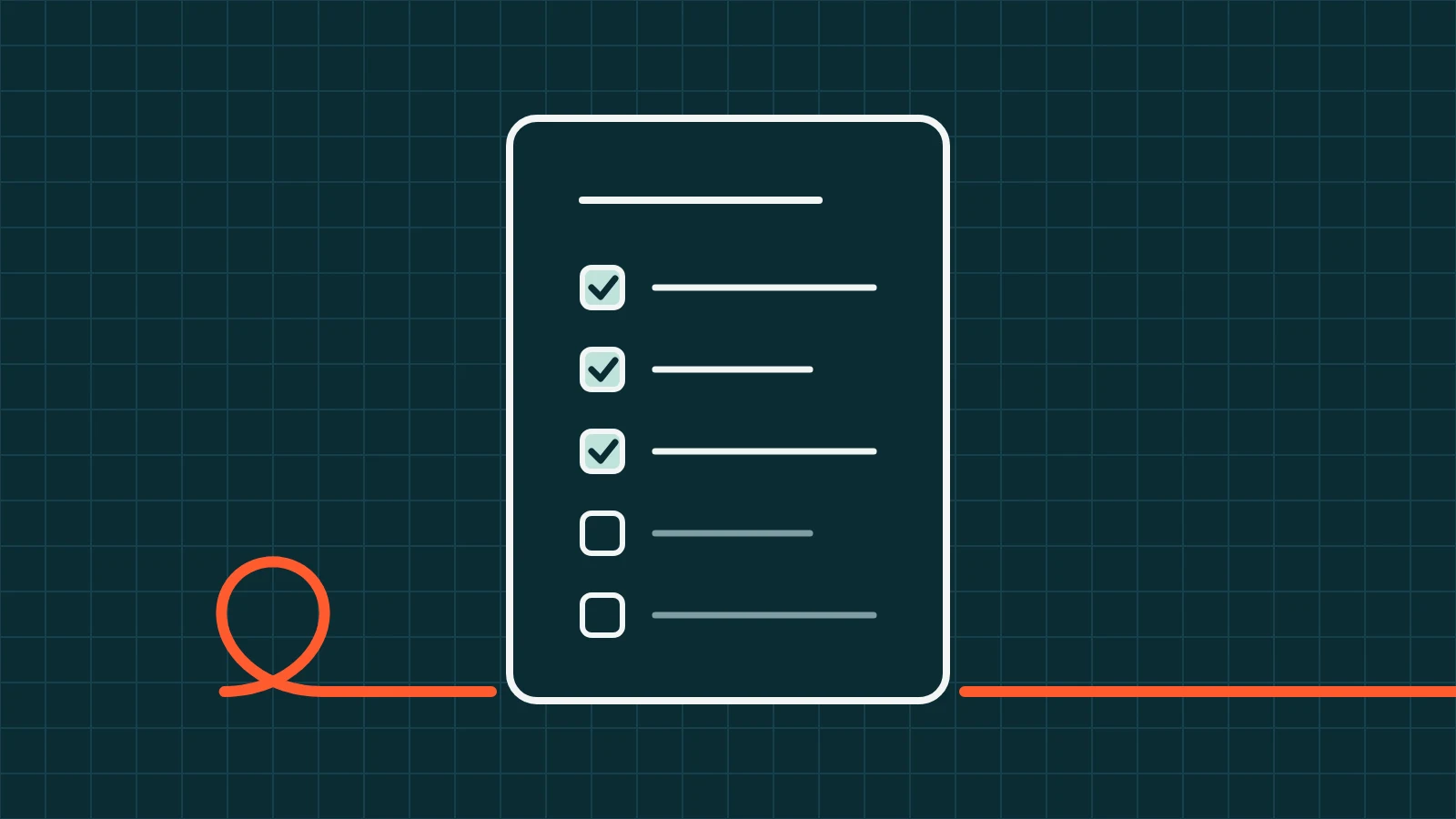
Commissioning software is a little like commissioning a building. Most of the expensive mistakes are made before the first brick, in what was asked for and what was assumed. These five questions are worth answering, in writing, before you sign anything.
1. What exactly is the problem, in your team's words?
Write it the way the people doing the work would say it. "Finance spends two days each month matching payments to invoices" is a problem. "We need an ERP integration" is a solution someone has already chosen.
Starting from the problem keeps options open. Sometimes the answer is a large system. Sometimes it's a small tool, a change in process, or connecting two things you already pay for.
2. How will you know it worked?
Pick one or two measures you can check after launch. Time spent on a task. Number of errors. How long a customer waits for an answer. If nobody can say what "better" looks like, the project will be judged on opinion, and opinions change.
3. Who will use it every day, and have they been asked?
The people who will live in the system are the best source of requirements and the most common reason projects fail when they're left out. Spend an hour watching them work before deciding what to build. You will learn about the exceptions, workarounds and shortcuts that never appear in a requirements document.
4. What is the smallest version that would be genuinely useful?
Large projects that try to do everything at once tend to arrive late and over budget. A first release that solves the most painful part properly is worth more than a plan that solves everything eventually.
Ask your developer what could be in people's hands within a few weeks, and what could wait. Good partners will have a clear answer.
5. What happens after launch?
Software is never finished. Ask before you start:
- Who owns the code, the accounts and the documentation? It should be you.
- Who fixes things when they break, and how quickly?
- How are changes requested and priced once the first version is live?
- Could another team take it over if you needed them to?
Clear answers here protect you more than any clause about features.
A quick checklist
- The problem is written in plain language, by the people who have it.
- There is a measurable goal.
- Daily users have been involved.
- There is a small first release with a date.
- Ownership and support after launch are agreed.
If you can tick all five, you're in a better position than most projects ever start from. If you can't yet, that's the conversation to have first, and it's one we're always happy to help with.
More from the blog
Why your team stopped trusting the dashboard
Dashboards lose trust through stale data, unclear definitions and no owner. Here are the small fixes that win it back.
 Umar Uzman
The AI agent security question nobody asks until it goes wrong
Before an AI assistant gets access to your email and files, ask five plain questions. A checklist for owners and managers.
Umar UzmanThe strange history of the "bug": 5 software myths that cost businesses money
From a famous moth to a lost spacecraft: five software stories and myths, and the one lesson each holds for anyone buying or running software.
Umar Uzman